Browse home renovations
Browse home renovations
Blog Article
Determining the Suitable Home Builder: Your Compass to Dream Homes
Locating the perfect home contractor is a essential phase in achieving one's ideal living space. It demands thorough consideration and detailed research. A wide range of factors matter, from a builder's experience to their communication style. Comprehending these elements can greatly impact the construction journey. As one works through this intricate undertaking, certain key aspects require attention to ensure a positive result. What should one prioritize to make an informed decision?
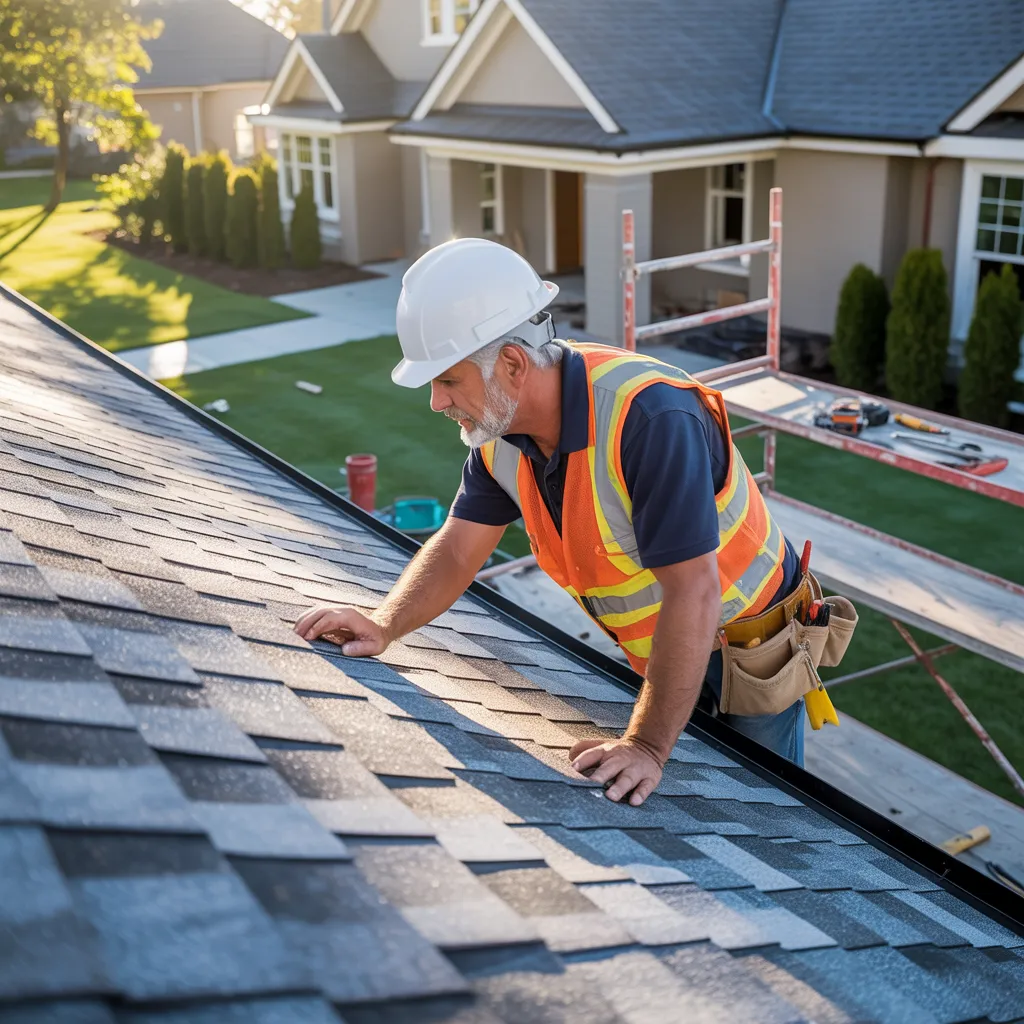
How to Begin Your Hunt for a Home Builder?
In what manner does one initiate the journey to find the right home firm? The initial step involves conducting thorough research to identify capable applicants. Intending homeowners should capitalize on digital resources, including reviews and testimonials, to assess the reputation of different builders. Networking could likewise be beneficial; requesting counsel from friends, family, or real estate professionals often furnishes solid selections.
Next, individuals ought to visit local home shows or open houses, giving hands-on knowledge of a builder's work. It is vital to develop a shortlist of builders who correspond with personal preferences and project requirements.
Once this list is put together, property owners can prepare to reach out for consultations. During these consultations, examining completed work, project duration, and preferred communication methods can reveal much about each builder's methods. This initial step is noteworthy, setting the stage for a fruitful construction journey ahead.
Important Considerations for Evaluating Home Construction Firms
Reviewing home builders calls for a detailed methodology to confirm that the chosen candidate achieves defined standards and expectations. Key criteria include experience, reputation, and work standard. A builder's portfolio should reveal completed projects that reflect the desired style and functionality.
References and assessments from former customers provide understanding into reliability and customer contentment. It is also important to evaluate the contractor's communication skills and responsiveness, as these qualities can significantly impact the overall experience.
Furthermore, comprehending the builder's warranty policies and adherence to local building codes is crucial for long-term confidence. Financial stability should not be ignored; a reputable builder will have strong financial resources, enabling them to complete projects on time and within budget. By focusing on these criteria, potential homeowners can make educated choices when choosing the right builder for their dream home.
Examining Custom Design Features in Home Design
Which elements guide the design options available in home design? Several elements play a key role, including the builder’s experience, the materials used for construction, and the local building codes. Builders with an established reputation usually offer a more comprehensive selection of customization options, thanks to their supplier and subcontractor relationships. Also, the kind of home—whether a single-family home or a multi-family unit—can affect the degree of customization offered.
Homebuyers should also review the timeframe for construction, since more complex designs might lengthen the building process. Geographic location can affect available styles and materials, because specific designs might be more useful or preferable in particular regions. Finally, budget constraints may restrict options, as more detailed features and premium materials usually come at a higher price. Understanding these factors can assist buyers in making informed decisions when exploring customization options.
Learning About Cost Structures
Grasping pricing structures is vital for home purchasers navigating the challenges of the building endeavor. Different contractors employ various pricing models, which can greatly impact total expenses. Fixed pricing offers assurance, allowing clients to understand the total cost upfront, while cost-plus arrangement entails paying the real building expenses combined with a set fee, creating potential for fluctuations.
Additionally, some developers introduce a hybrid approach, combining aspects of both models. Homebuyers should also take into account included features and upgrades, as these can substantially influence the final price. Detailed breakdowns deliver openness, assisting clients comprehend where resources are allocated.
It is vital for purchasers to review payment terms and potential obscured charges, such as permits or site preparation. By thoroughly understanding these structures, homebuyers can make educated decisions, ensuring they choose a builder whose pricing aligns with their budget and expectations.
Why Transparent Communication Counts When Choosing a Builder?
Clear dialogue is essential when selecting a home builder, as it builds confidence between the client and the builder. By guaranteeing that requirements and project details are carefully discussed, parties can avoid costly miscommunications. Ultimately, transparency in communication lays the groundwork for a successful building experience.
Developing Trust With Clarity
How can prospective property buyers ensure their objectives correspond with their builder's strengths? Building confidence through transparency is vital in this bond. Direct dialogue facilitates comprehension, confirming that both sides understand the same project requirements, schedules, and design elements. Property owners should express their preferences while actively hearing the builder's opinions and advice. Consistent updates and ongoing dialogue during the building phase further strengthen this confidence, allowing for changes as necessary. Openness in discussing construction obstacles and solutions also enhances this relationship, making it simpler to address potential challenges as a team. In the end, transparent dialogue not only aligns visions but also establishes a solid base for a successful partnership, leading to the realization of the property owner's ideal residence.
Avoiding Costly Miscommunications
When hopes vary between homeowners and builders, what happens? Misunderstandings may result in expensive delays, budget overruns, and displeasure. Clear communication is crucial to coordinate visions and ensure both parties are on the same page. Homeowners need to express their wants, preferences, and budget limits from the start. Builders, in response, have to offer visible timelines, costs, and scope of work. Frequent updates and open dialogue build trust and allow adjustments as appropriate. Putting agreements in writing helps avoid future conflicts. Focusing on clarity allows both homeowners and builders to mitigate risks, resulting in a smoother construction process and a more pleasing outcome. Ultimately, good communication forms the basis of a successful building experience.
Checking Sources and Reviews: Best Practices
When choosing a home builder, verifying recommendations and reviews is essential for well-informed decision-making. Assessing comments from previous customers provides insight into the contractor's dependability and standard of work. Understanding both direct endorsements and digital reviews can significantly affect the contractor's reputation.
Importance Of Citations
increase assurance
Evaluating Online Opinions
How can prospective homeowners skillfully manage the extensive scope of online commentary when evaluating a home construction company? First, they should discover feedback on reliable platforms, such as Google, Yelp, and focused construction forums. It is vital to differentiate between genuine reviews and possibly skewed ones, spotting recurring themes in feedback rather than standalone comments. Homeowners should take note to both constructive and negative remarks, emphasizing recurring benefits or weaknesses highlighted by multiple reviewers. Additionally, they can check the builder's response begin here to feedback, which may indicate their dedication to customer service. Finally, communicating with past clients directly can deliver deeper perspectives, ensuring that the builder corresponds to the homeowner's expectations and needs.
Frequently Asked Questions
What Credentials and Qualifications Should a Home Builder Have?
A residential contractor should have a valid contractor's license, professional liability coverage, and relevant certifications such as OSHA training or green building credentials. These qualifications guarantee compliance with safety standards and construction regulations, enhancing trust and professionalism.
What Length of Time Should You Expect for the Home Construction Process?
The house construction process generally spans six months to over a year, reliant on factors like the complexity involved, atmospheric conditions, and permitting delays. Each step requires careful planning to guarantee timely completion and superior outcomes.
Is it Possible to See Earlier Developments Finished by the Construction Company?
Yes, prospective customers can often inspect past work completed by the builder. This permits them to examine craftsmanship and design quality, supporting to direct their selections and guarantee satisfaction with their future home.
What Warranties Are Home Builders Normally Providing on Recently Built Homes?
Builders generally present warranties safeguarding structural reliability for ten years, important systems like plumbing and electrical for five years, and workmanship for one year. These guarantees grant homeowners with defense against defects and necessary repairs.
How Do I Verify My Builder Keeps the Schedule?
For ensuring a builder stays on schedule, one should develop explicit timelines, sustain consistent communication, and introduce milestone check-ins. Documenting progress and tackling delays quickly can also support keeping the project on track.
Report this page